
EXECUTIVE SUMMARY
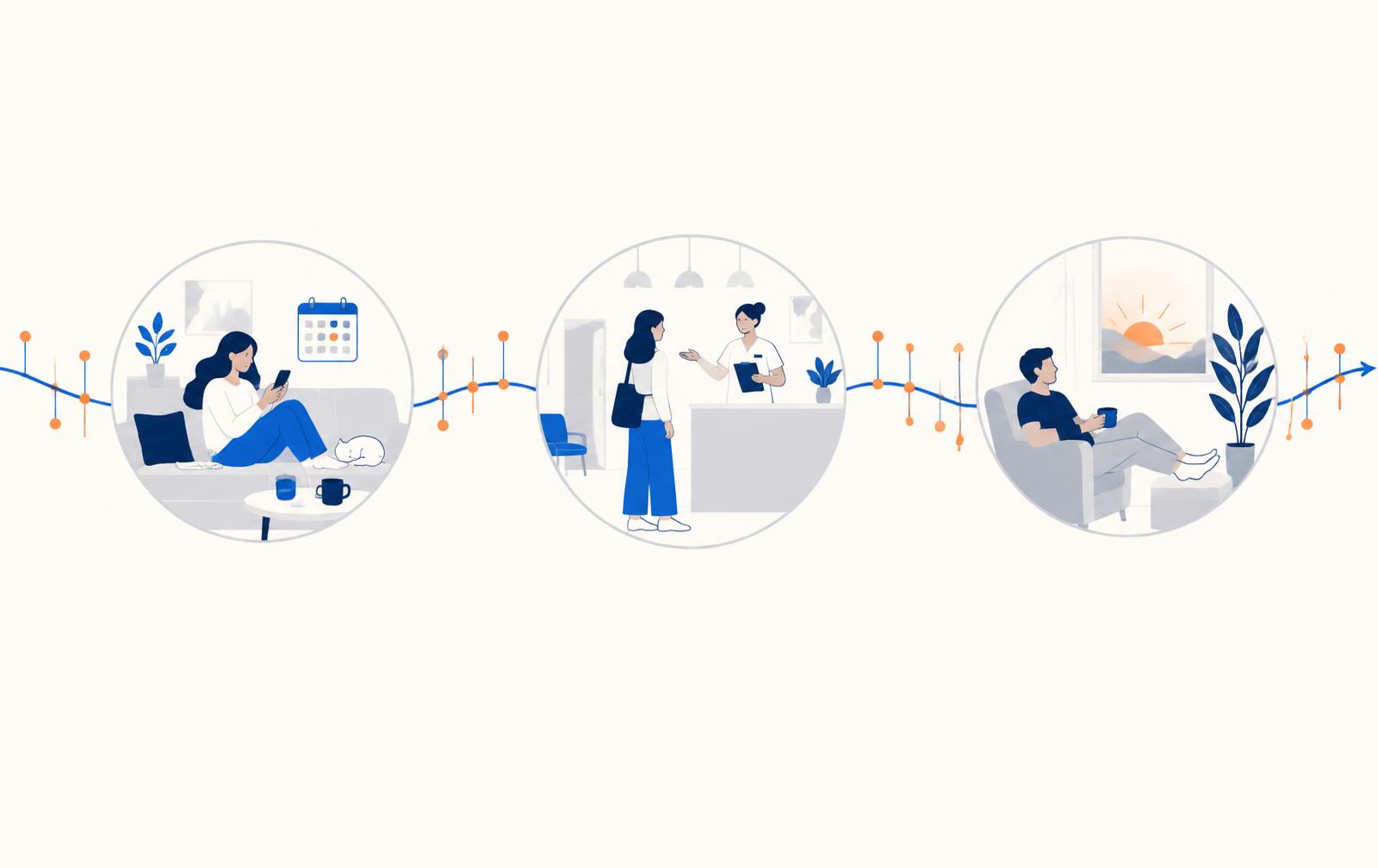
- Before care: prepare patients, reduce no-shows and remove friction before the visit.
- During care: reduce anxiety and make the experience smoother.
- After care: ensure continuity, adherence and a stronger relationship.
- All clinical guidance follows institution-defined protocols, with the human team always available.
LISA can act as an intelligent agent for patient relationship, guidance and follow-up, from the first contact with a healthcare institution to after care.
No patient should feel alone between one moment of care and the next.
1. Before care
Goal: prepare the patient, reduce no-shows, improve access and remove friction before the visit.
- Smart scheduling: helps book appointments, exams and procedures.
- Attendance confirmation: confirms bookings and flags likely absences early.
- Exam preparation: guides on fasting, medication, documents and prior care according to institutional protocols.
- Digital pre-registration: collects and validates registration data before arrival.
- Pre-visit triage: identifies needs and warning signs through clinical protocols defined by the institution.
- Booking recovery: finds patients who dropped or cancelled bookings and offers alternatives.
- Logistics guidance: shares location, parking, hours, documents and arrival instructions.
2. During care
Goal: reduce anxiety, improve communication and make the experience smoother.
- Smart check-in: guides and eases arrival and registration at the unit.
- Wait time management: shares expected times and updates on delays.
- Hospital wayfinding: guides movement between reception, offices, labs and departments.
- Questions assistant: answers administrative questions about the ongoing visit.
- Bedside and inpatient support: routes comfort requests, inpatient needs and simple questions to the care team.
- Companion updates: shares authorized updates on care steps.
- Discharge guidance: reinforces exit instructions, documents, prescriptions and next steps set by the care team.
3. After care
Goal: ensure continuity of care, increase adherence and strengthen the relationship.
- Automated follow-up: checks in after visits, exams, procedures or discharge.
- Recovery monitoring: collects symptom and progress information, flagging situations that need professional review.
- Treatment adherence: sends reminders for medication, therapies and prescribed care.
- Prescription clarity: helps patients understand schedules and instructions from prescriptions issued by the care team.
- Caregiver support: shares home care guidance with authorized caregivers after discharge.
- Continuity of care: encourages returns, follow-up exams and recommended visits.
- Patient reactivation: finds patients without recent follow-up and reconnects them with the institution.
Get healthcare intelligence briefings
New technical analyses as they are published, no noise.
INSIGHTS
Get LISA's next analyses
New readings and each closed edition, sent as they are published.
HEALTH BRAZIL COMMUNITY
Join a curated community of healthcare leaders.
RELATED READINGS
Strategy
From waiting to continuous care: how LISA Agents support diagnostic, recovery and treatment journeys
LISA is being built around two critical healthcare experience problems: reducing avoidable waiting and uncertainty across the journey, and making care continue after the encounter. This article explains how agents, text, audio, video and human escalation work together across diagnostic, recovery and treatment journeys.
Oct 01, 2026 · 8 min read
Strategy
We Make Care Continue
LISA was born from a conviction: no patient should feel alone between one moment of care and the next. This is the cultural manifesto of a technology built to make care continue.
Sep 29, 2026 · 3 min read

Strategy
Designing for Attendance: How Behavioral Economics Can Reduce No Shows in Healthcare
Missed appointments are rarely caused by forgetfulness alone. Behavioral design can help healthcare organizations identify friction and support attendance at the right moment.
Sep 26, 2026 · 9 min read
Strategy
12 Agents, One Patient Journey: How LISA Could Redesign Healthcare Experience in 2027
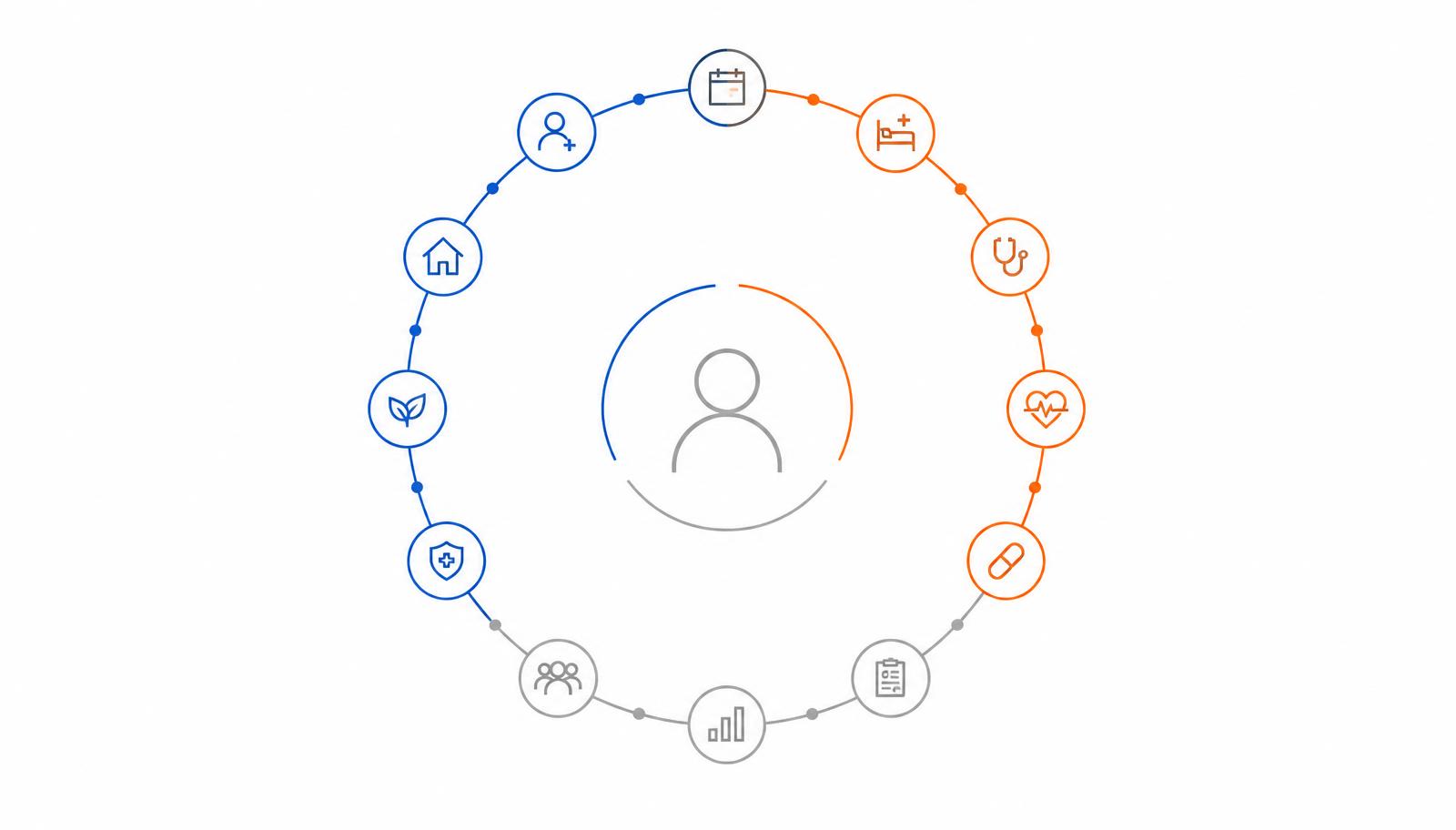
Twelve specialized agents can connect fragmented healthcare touchpoints into one continuous patient experience, with clinical judgment remaining human.
Sep 26, 2026 · 8 min read