
EXECUTIVE SUMMARY
- Adherence to long-term therapy for chronic diseases averages only 50% in developed countries (WHO, 2003).
- In Sudan, 96% of adherent patients had blood pressure under control, versus 18% of non-adherent patients.
- The WHO is clear: the patient is not to blame — health systems were not designed to provide behavioural support.
- Lisa's agents follow the plan between appointments: reminders, simple answers, and human escalation with the case summarized.
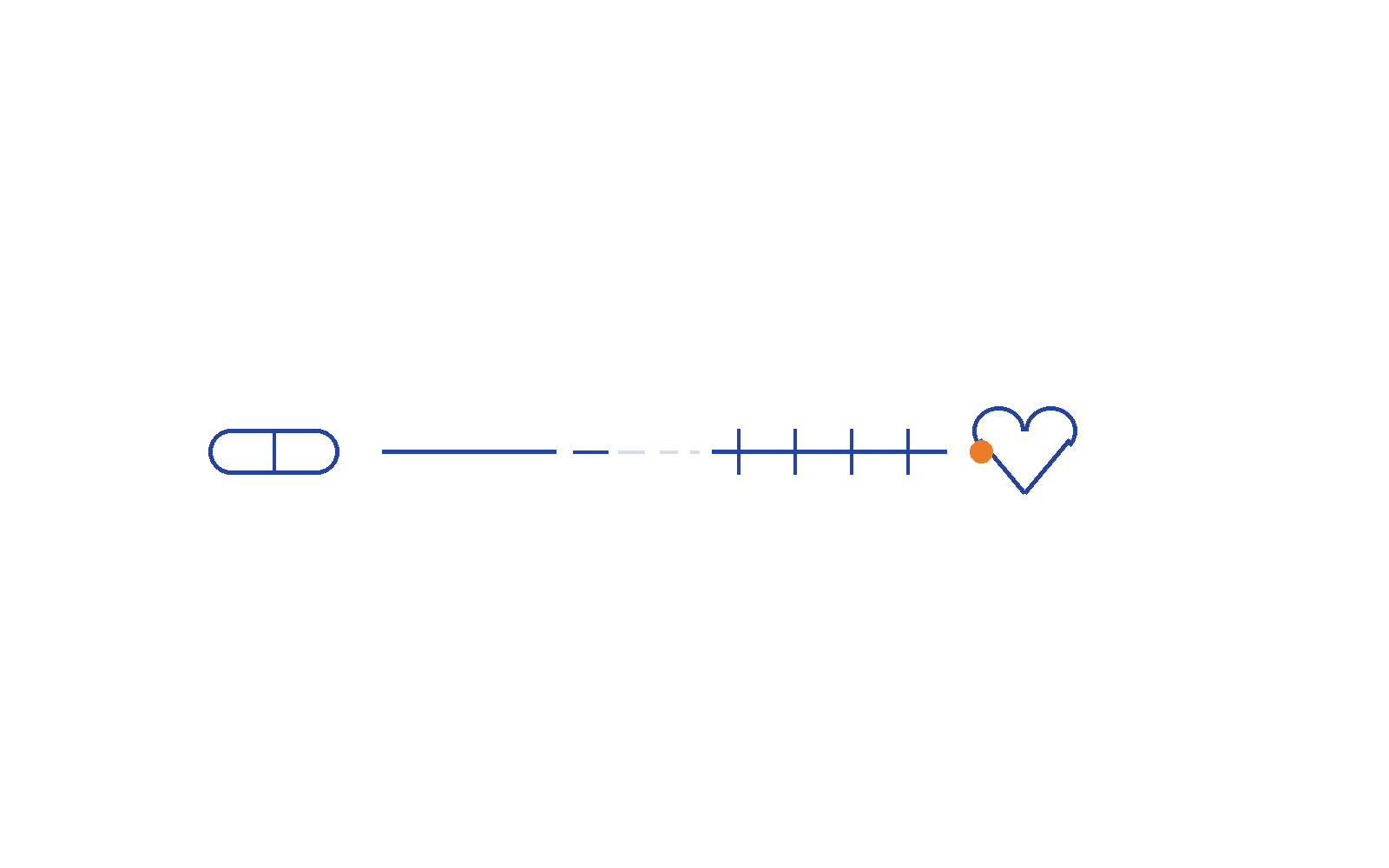
The appointment ends, the prescription is printed or sent, and the treatment begins at that moment — far from any professional. It is at home that the patient takes the medication at the right time, keeps the plan going for months, notices the side effect and decides whether to continue. And it is at home that, most of the time, the plan quietly dies.
The World Health Organization measured the size of this in the report "Adherence to long-term therapies: evidence for action". In developed countries, adherence to long-term therapy among patients with chronic diseases averages only 50%. In developing countries, it is lower still. For hypertension, the cited figures range from 27% in Gambia to 43% in China and 51% in the United States.
The contrast the WHO records is brutal: in a study in Sudan, 96% of patients who followed their treatment had their blood pressure under control. Among those who did not, 18%.
The patient is not to blame
The WHO report is explicit: patients are blamed too often for not following treatment, when the evidence shows that providers and health systems enormously influence adherence behaviour — and were never designed for it. The care team hands over the plan and disappears. The patient is left alone with a new routine, doubts that surface in the middle of the night, and a silent question: "is this worth it?"
The right question is not "why does the patient give up?". It is "who stayed with them after the appointment ended?".
What Lisa's agents do in that interval
A care plan should not depend on the patient's memory, willpower or luck. Lisa's agents exist precisely in that space between one encounter with the care team and the next.
METHOD
With the patient's consent and within the plan defined by the care team, the agent does the follow-up no human schedule can scale: it checks how the treatment is going, reminds what needs to be remembered at the right time, answers the simple question before it turns into abandonment — and, when it spots something that calls for clinical judgment, escalates to a human with the case summarized. Nothing is sent without review: every output is born a draft until human approval.
SOURCES
- 01Failure to take prescribed medicine for chronic diseases is a massive, world-wide problem (2003) · World Health Organization (WHO)
- 02Adherence to long-term therapies: evidence for action (full report, 2003) · World Health Organization (WHO)
Get healthcare intelligence briefings
New technical analyses as they are published, no noise.
INSIGHTS
Get LISA's next analyses
New readings and each closed edition, sent as they are published.
HEALTH BRAZIL COMMUNITY
Join a curated community of healthcare leaders.
RELATED READINGS
Strategy
The regulatory clock is ticking. Who answers the patient on time?
Since July 2025, ANS Normative Resolution 623/2024 has imposed channels, hours and response deadlines on Brazilian health plan operators. Fast service is no longer a quality goal: it is compliance.
Nov 12, 2026 · 1 min read
Strategy
The patient didn't forget. They never understood.
Before memory comes comprehension: nearly 9 in 10 adults struggle with health information. That is where the design of Lisa's agents begins.
Nov 11, 2026 · 2 min read
Strategy
Care is not a disturbance: the consent behind every message
No message from Lisa's agents goes out without a care plan and without the patient's permission. The design behind proactive contact.
Nov 10, 2026 · 2 min read
Strategy
No patient should have to repeat their own story
Nov 09, 2026 · 2 min read